Teeth whitening does not necessarily damage enamel when suitable products are used correctly, but the safety of treatment depends on the product, its concentration, how it is applied and how frequently it is used.
Most peroxide-based whitening treatments can cause temporary tooth sensitivity or gum irritation. Excessive use, incorrect application and certain do-it-yourself whitening methods may also put teeth and gums at risk. Dental experts recommends consulting a dentist to determine whether whitening is appropriate for your teeth and oral health.
The important distinction is between using a suitable whitening treatment as directed and repeatedly exposing your teeth to products or methods that may cause harm.
If you are considering whitening your teeth, understanding how these treatments work, their potential side effects and the precautions that matter can help you make a more informed decision.
Teeth Whitening Doesn’t Have to Mean Enamel Damage. Understand the Risks, Follow Safe Whitening Practices, and Protect Your Smile with Informed Choices and Professional Dental Guidance.
What Is Tooth Enamel, and Why Does It Matter?
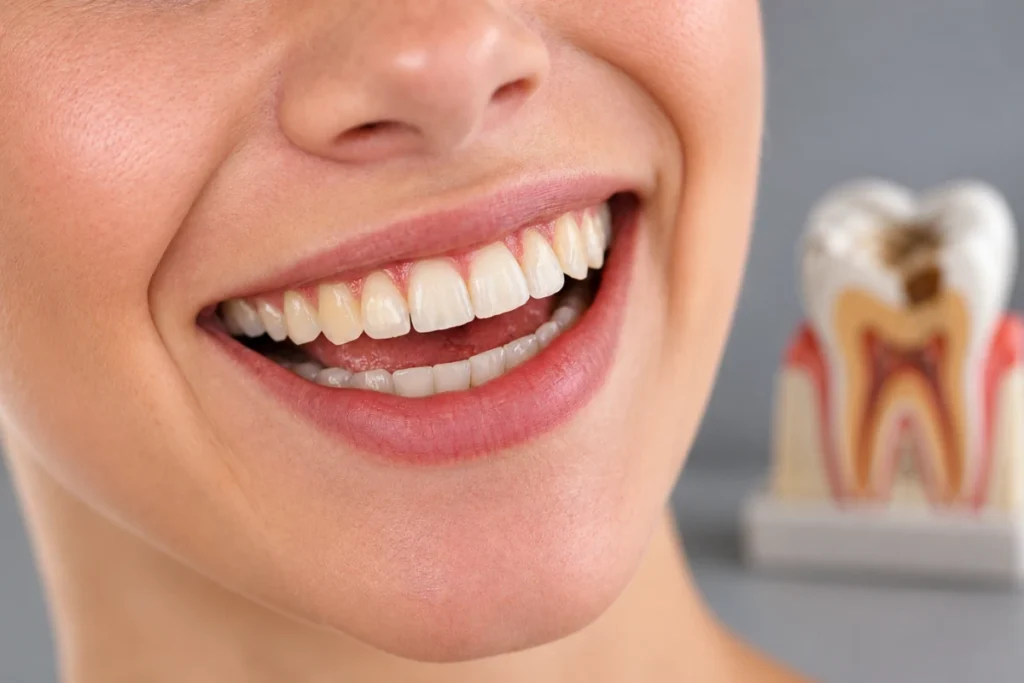
Tooth enamel is the hard, protective outer layer of your teeth. It helps protect the underlying dentin and contributes to the strength and appearance of each tooth.
Although enamel is highly mineralised, it is not indestructible. Repeated acid exposure, physical wear and certain dental conditions can gradually weaken or erode it.
Unlike some other tissues in the body, enamel cannot regenerate once it has been lost. This makes protecting the enamel you have especially important.
Enamel also influences tooth colour. Because it is partly translucent, the yellowish dentin underneath contributes to the overall shade of your teeth.
This explains why teeth can look yellow even when they are healthy and why aggressive brushing or abrasive whitening methods are not appropriate solutions.
How Does Teeth Whitening Work?
Most chemical teeth whitening treatments use hydrogen peroxide or carbamide peroxide as the active ingredient.
These substances help lighten tooth discolouration by chemically changing coloured compounds within the tooth. This process differs from simply scrubbing away surface stains.
Whitening products are available in several forms, including:
- In-office whitening: A dental professional applies a whitening product according to a clinical protocol.
- Dentist-supervised home whitening: A dentist provides guidance and may prescribe a suitable product and custom-fitted trays.
- Over-the-counter whitening products: Consumer products may include whitening strips, gels and certain toothpastes.
The concentration of the active ingredient, application time and frequency of use vary between products and treatment methods.
According to the ADA, peroxide-based bleaching can lighten certain types of external and internal tooth discolouration, but the outcome depends on the nature of the stains and the treatment used.
Does Teeth Whitening Actually Damage Enamel?
The answer depends on how whitening is performed.
Evidence does not support the claim that every appropriately used whitening treatment inevitably damages enamel. However, laboratory studies have reported changes in enamel surface properties under certain conditions, and the long-term implications can depend on the product and protocol.
It is therefore important to distinguish between normal whitening-related side effects and damage associated with inappropriate or excessive use.
When Whitening Is Used Correctly
Suitable whitening products used according to their instructions can lighten teeth without necessarily causing clinically significant enamel damage.
Nevertheless, temporary sensitivity can occur, even when treatment is used appropriately. Some people may be more susceptible because of existing sensitivity, enamel wear, exposed dentin or other dental conditions.
A dental examination can help identify these concerns before treatment.
When Whitening Products Are Overused
Using whitening products more frequently or for longer than recommended may increase the risk of sensitivity and gum irritation. Abrasive products or unsuitable home remedies may also damage tooth surfaces.
Repeated whitening without allowing symptoms to settle can make discomfort more difficult to manage.
More whitening does not automatically mean better results. Follow the recommended application schedule and seek dental advice before repeating a treatment course.
When Existing Dental Problems Are Present
Whitening may be inappropriate until certain dental problems have been addressed.
For example, untreated cavities, active gum disease, cracks or exposed tooth roots can affect treatment suitability and may contribute to discomfort.
If you already have sensitive teeth, a dental professional can help identify the cause and discuss whether whitening should be postponed or avoided.
What Are the Most Common Side Effects of Teeth Whitening?
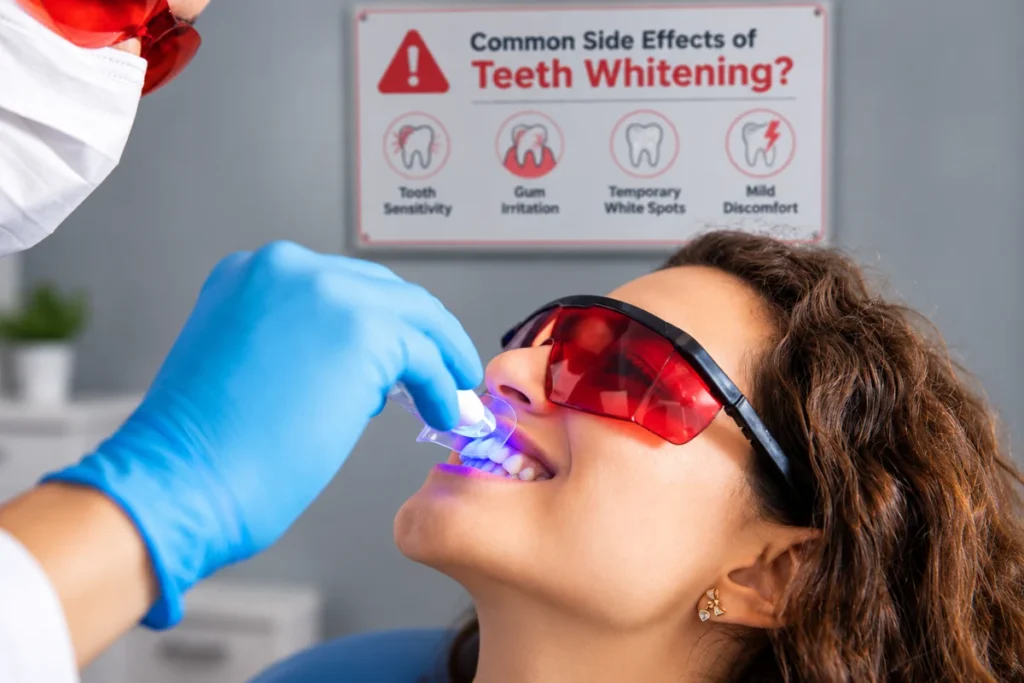
The most common side effects are temporary tooth sensitivity and irritation of the gums or other soft tissues.
1. Tooth Sensitivity
Some people notice a brief, sharp sensation when consuming cold drinks, hot foods or sweet items after whitening.
Peroxide-based whitening agents can penetrate tooth structures, and this exposure may temporarily irritate the tissues inside the tooth.
Sensitivity varies between individuals and treatment methods. It is often temporary, but persistent or severe pain should not be ignored.
What should you do?
- Stop or pause at-home treatment if the product instructions advise it or sensitivity becomes troublesome.
- Avoid repeating whitening until symptoms have settled and you have obtained advice if needed.
- Ask your dentist whether a desensitising toothpaste or another approach may be appropriate.
- Seek dental advice if the pain persists, worsens or affects one particular tooth.
2. Gum Irritation
Whitening gel can irritate the gums if it comes into direct contact with soft tissues. Poorly fitting trays, excessive gel or incorrect application can increase this risk.
Professional treatment involves precautions designed to limit unnecessary exposure of the gums to the whitening agent.
If you experience burning, significant soreness or persistent irritation, stop using the product and seek advice from a dental professional.
3. Uneven Whitening
Whitening does not affect every tooth or stain in exactly the same way. Some types of discolouration may respond less effectively, and existing restorations will not lighten like natural teeth.
As a result, the final shade may be uneven if crowns, veneers or fillings are present.
A dentist can assess these factors and explain the likely cosmetic outcome before treatment.
Which Whitening Methods Should You Be Careful With?
Not all products advertised as natural or enamel-safe have strong evidence supporting their safety and effectiveness.
1. Lemon Juice and Other Acidic Remedies
Lemon juice and similar acidic substances are sometimes promoted as natural teeth whiteners. However, acids can erode enamel, and this damage can make teeth more sensitive and expose more of the yellowish dentin beneath.
Avoid using acidic household ingredients to whiten your teeth.
2. Charcoal-Based Whitening Products
Activated charcoal products are widely marketed for stain removal. However, evidence supporting their ability to whiten natural teeth safely and effectively is limited.
Some abrasive formulations may wear away surface tooth structure with repeated or aggressive use. The ADA does not consider the current evidence sufficient to establish that charcoal-based whitening methods provide predictable, safe whitening benefits.
3. Baking Soda Used Aggressively
Some dental products contain baking soda as part of a formulated oral-care product. That does not mean aggressively scrubbing teeth with homemade abrasive mixtures is safe.
The abrasiveness of a mixture, the brushing technique and the frequency of use all matter. Avoid unverified DIY recipes and use products intended for oral care according to their directions.
4. Unregulated Whitening Gels
Products with unclear ingredients, unsuitable concentrations or inadequate instructions may increase the risk of irritation and misuse.
Do not assume that a product is safe simply because it is available online or advertised as professional strength.
Choose products from reputable sources, follow the instructions and consult a dentist if you are uncertain about their suitability.
Is Professional Teeth Whitening Safer Than DIY Whitening?
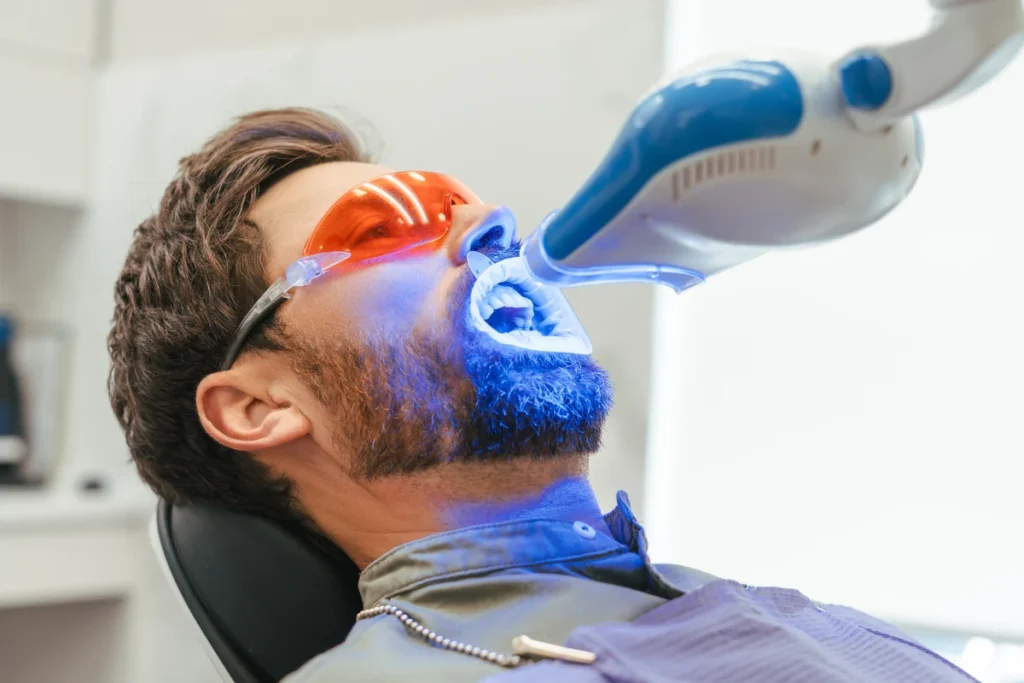
Professional assessment offers an important advantage: a dentist can evaluate your oral health before recommending a whitening approach.
This does not mean every over-the-counter product is unsafe. Some consumer products have evidence supporting their effectiveness when used correctly. However, professional guidance can help identify dental problems, select an appropriate option and reduce the risk of unsuitable treatment.
| Consideration | Dentist-supervised whitening | Unsupervised DIY whitening |
| Assessment of oral health | A dentist can examine your teeth and gums | Usually not included |
| Product selection | Can be tailored to individual needs | Depends on the product chosen |
| Application guidance | Professional instructions are available | Depends on label directions and user technique |
| Management of sensitivity | Dental advice is available | Users must recognise symptoms and seek help |
| Suitability for existing dental problems | Can be assessed before treatment | May be overlooked |
The safest choice depends on your dental health, the product and how it is used. A professional assessment is particularly valuable if you have sensitivity, restorations or a history of dental problems.
The NHS also advises having your teeth and gums checked before whitening and notes that treatment from a dental professional is the safest approach.
Who Should Consult a Dentist Before Whitening?
A dental consultation is particularly important if you have:
- Untreated tooth decay or gum disease.
- Persistent tooth sensitivity.
- Cracked teeth, exposed roots or noticeable enamel wear.
- Crowns, veneers, fillings or implants in visible areas.
- A tooth that has suddenly become darker.
- A history of discomfort during previous whitening treatments.
Whitening may need to be postponed until oral health concerns have been addressed.
People who are pregnant or breastfeeding should discuss whether to defer elective whitening with their dental professional. Whitening is also generally not recommended for children and younger teenagers without appropriate dental guidance.
A dentist can help determine whether whitening is appropriate or whether another approach would better address your concerns.
How Can You Protect Your Enamel Before and After Whitening?
Good oral hygiene and appropriate product use are central to maintaining healthy teeth.
- Follow the Recommended Instructions: Do not leave whitening products on longer than directed or repeat applications more frequently than recommended. Using a higher amount of gel does not guarantee a better result.
- Maintain Good Oral Hygiene: Brush twice daily with fluoride toothpaste and a soft-bristled toothbrush. Clean between your teeth daily to help manage plaque and support gum health.
- Address Existing Dental Problems: Cavities, gum disease and other oral health concerns should be evaluated before starting whitening.
- Avoid Unverified Whitening Remedies: Acidic ingredients, excessively abrasive mixtures and products with unclear ingredients may damage teeth or irritate the gums.
Discuss Sensitivity With Your Dentist
If your teeth are already sensitive, ask about the cause before starting treatment. Your dentist may recommend addressing the underlying problem first or choosing a different approach.
Attend Regular Dental Check-Ups
Routine examinations help identify enamel wear, decay, gum problems and other conditions that may affect treatment suitability.
Conclusion
Teeth whitening can be a suitable cosmetic option, but protecting your enamel and gums should remain a priority. Appropriate treatment does not inevitably damage enamel, although temporary sensitivity and gum irritation can occur, and misuse may increase the risk of harm.
Avoid aggressive DIY remedies, follow product instructions and consult a dentist if you have sensitive teeth, existing dental problems or concerns about enamel wear.
If you are considering whitening and want to understand your options, you can explore La Clinique’s teeth whitening service in Dubai. A dental consultation can help you understand whether treatment is suitable for your teeth and what outcomes may be realistic.