
Acne scars can be difficult to treat because they are not all the same. The right approach depends on the type of scar, its depth, skin condition and how your skin responds to treatment.
The most effective acne scar treatment is usually not a single procedure. Many patients require a combination of treatments that target different scar patterns, such as depressed scars, uneven texture, pigmentation changes or raised scars.
Common acne scars treatment options include:
-
- microneedling
-
- laser resurfacing
-
- chemical peels
-
- subcision
-
- dermal fillers
-
- targeted procedures for specific scar types
Understanding different acne scar treatment options can help you make informed decisions and discuss the most suitable approach with a qualified skin specialist.
There is no single treatment that works for every acne scar. The right approach depends on the scar type, its depth, your skin characteristics and how your skin responds to treatment.
What Are Acne Scars?
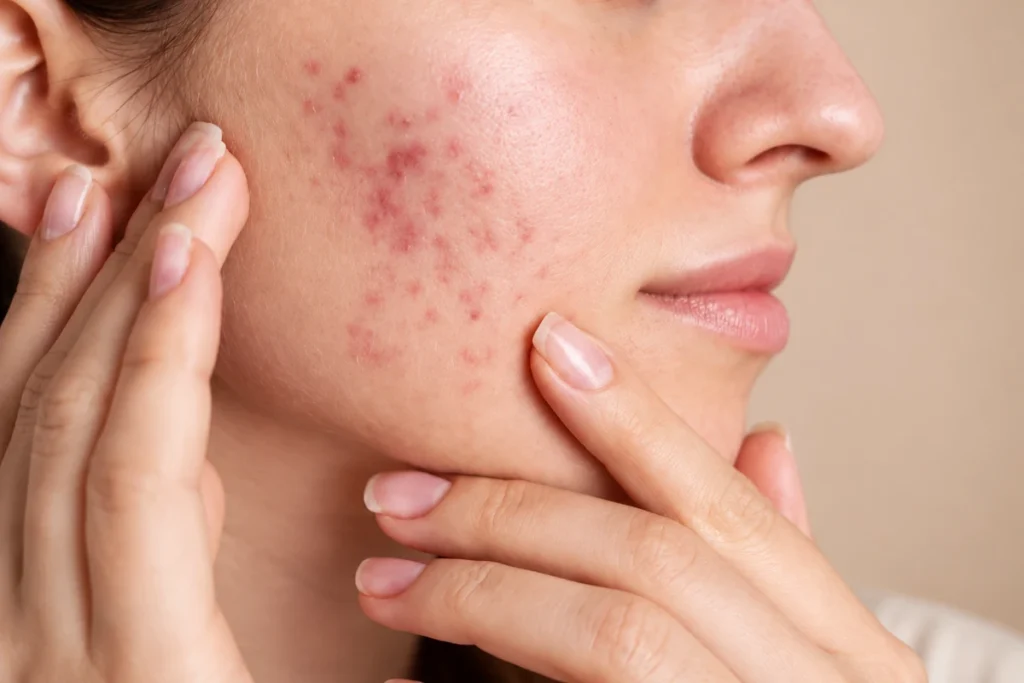
Acne scars develop when inflammation from acne affects the deeper layers of the skin and alters normal collagen formation during healing.
Not every mark left after acne is a scar.
There is an important difference between:
-
- post-inflammatory hyperpigmentation (dark marks after acne)
-
- post-inflammatory erythema (red marks after acne)
-
- true acne scars caused by changes in skin texture
Pigmentation changes may gradually improve with appropriate skincare and treatments targeting discoloration.
True acne scars, however, involve changes in the structure of the skin and often require procedures that stimulate collagen production, release scar tissue or resurface uneven areas.
What Are the Different Types of Acne Scars?
Before deciding how to get rid of acne scars, it is important to identify the scar type.
Different scars respond differently to treatment.
1. Atrophic Acne Scars (Depressed Scars)
Atrophic scars are areas where the skin has lost collagen, creating indentations or depressions. They are the most common type of acne scar. They include:
Ice Pick Scars
Ice pick scars are narrow, deep scars that appear like small openings in the skin. Because they extend deeper into the skin, surface treatments alone may not always provide enough improvement.
Treatment options may include:
-
- TCA CROSS (a targeted chemical technique)
-
- punch excision
-
- selected laser treatments
Boxcar Scars
Boxcar scars are wider depressions with defined edges.
They may appear round or oval and can vary in depth.
Possible treatments include:
-
- microneedling
-
- laser resurfacing
-
- subcision
-
- fillers
-
- combination approaches
Rolling Scars
Rolling scars create a wave-like uneven texture because bands of scar tissue pull the skin downward.
They often respond well to treatments that release these deeper attachments, such as:
-
- subcision
-
- microneedling
-
- laser resurfacing
-
- combination procedures
2. Hypertrophic or Raised Acne Scars
Unlike atrophic scars, raised scars involve excess collagen formation.
They appear elevated above the skin surface.
Treatment approaches may include:
-
- steroid injections
-
- silicone-based treatments
-
- laser therapy
-
- other scar-modifying procedures depending on the individual case
Raised scars require different management compared with depressed scars.
How Are Acne Scars Treated?
The goal of acne scar treatment is not simply to remove the scar completely.
Instead, treatments aim to:
-
- improve skin texture
-
- soften scar depth
-
- stimulate collagen remodelling
-
- reduce uneven appearance
-
- create smoother skin quality
The best option depends on your scar pattern and skin characteristics.
1. Microneedling for Acne Scars
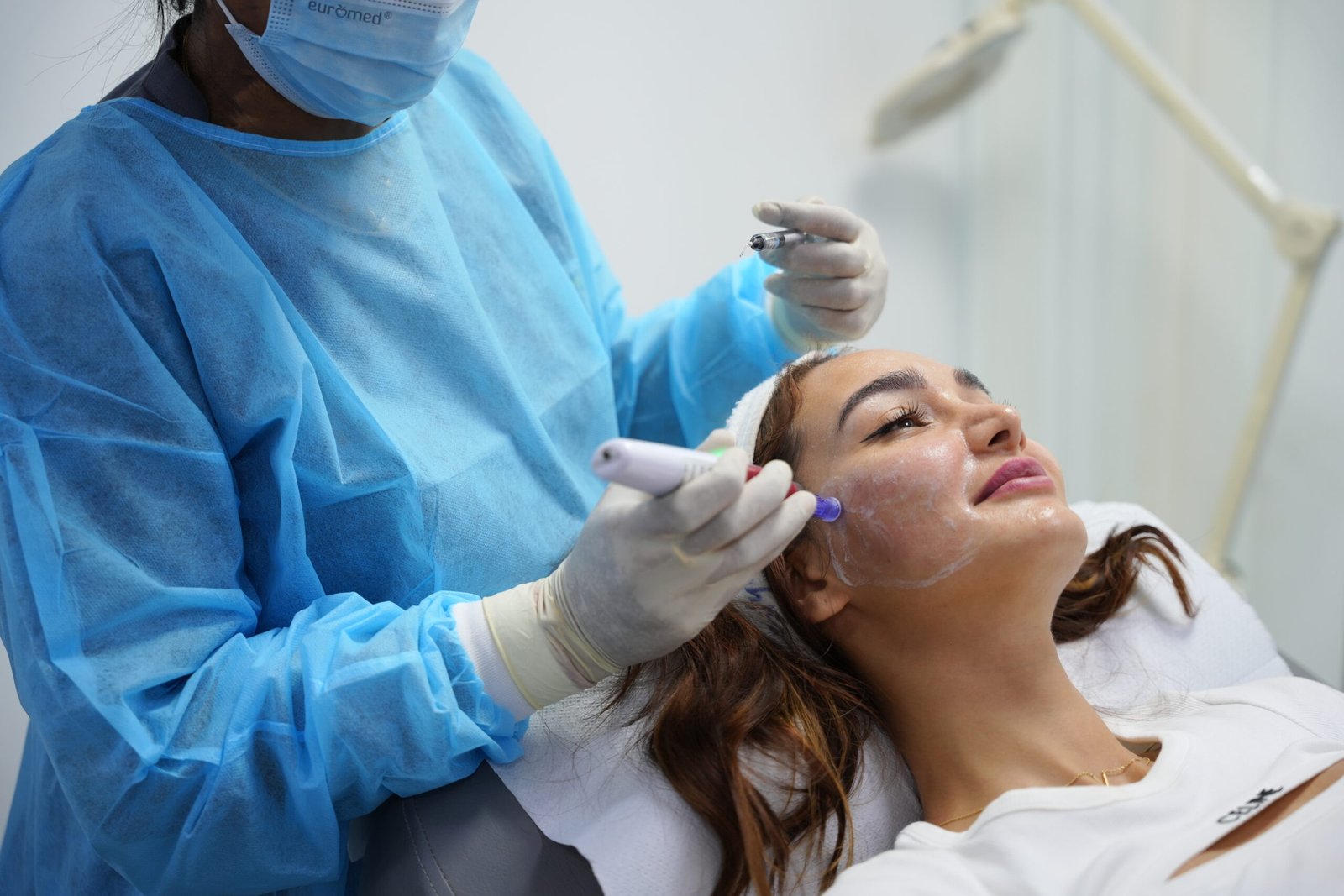
Microneedling for acne scars uses controlled micro-injuries to stimulate the skin’s natural healing response and encourage collagen production.
During the procedure, fine needles create tiny channels in the skin. This triggers repair processes that may gradually improve skin texture.
Microneedling may be considered for:
-
- mild to moderate atrophic scars
-
- uneven skin texture
-
- enlarged pores associated with acne scarring
Benefits of microneedling may include:
-
- stimulation of collagen production
-
- improvement in skin texture
-
- suitability for different skin types when performed appropriately
-
- limited downtime compared with some resurfacing procedures
However, deeper scars may require additional treatments because microneedling alone may not release deeper scar attachments.
2. Laser Treatment for Acne Scars
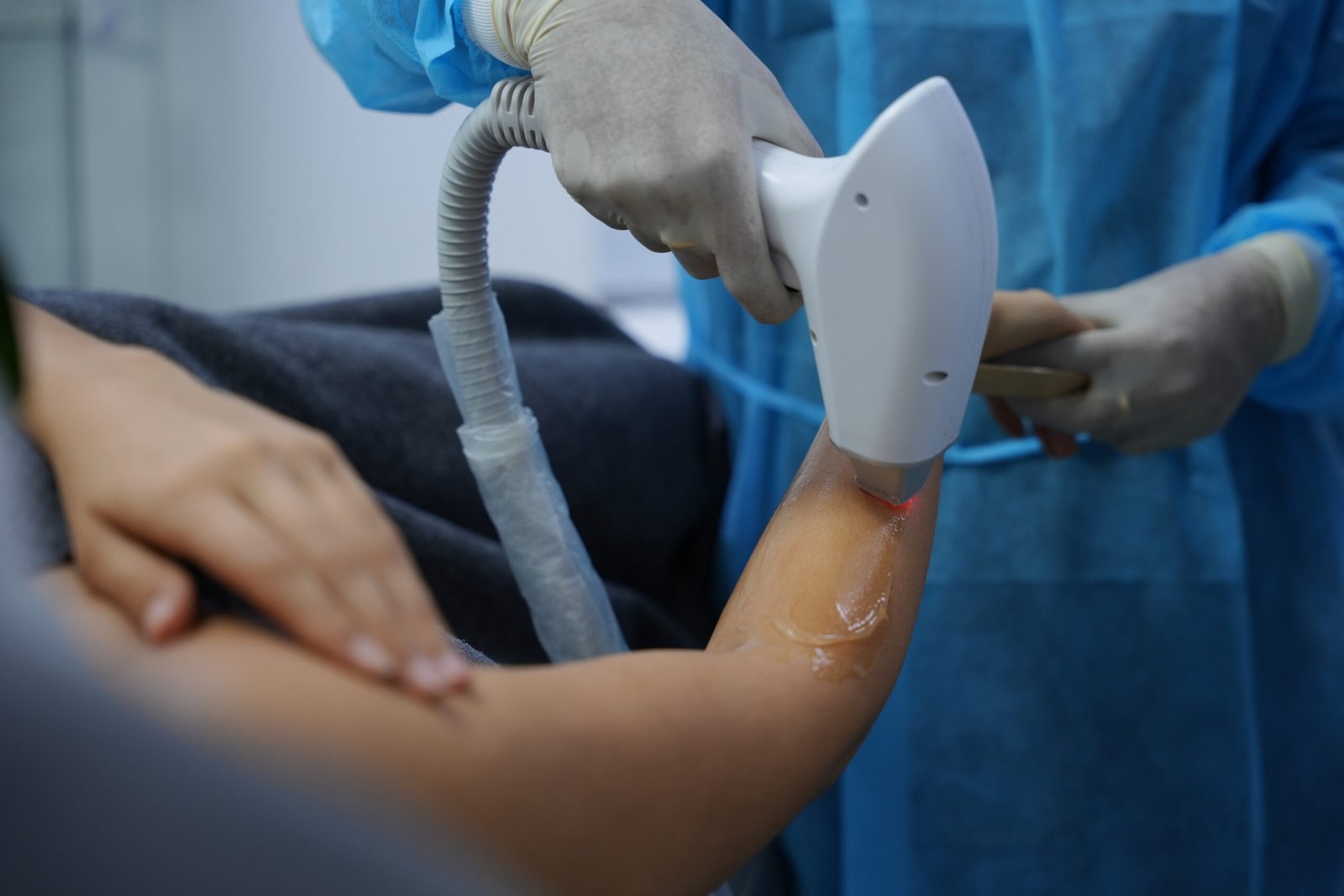
Laser treatment for acne scars works by improving damaged skin and stimulating collagen remodelling.
Different laser technologies work in different ways.
Some lasers remove controlled layers of skin (ablative lasers), while others heat deeper tissues without removing the surface layer (non-ablative lasers).
Laser resurfacing may help improve:
-
- uneven texture
-
- shallow acne scars
-
- overall skin smoothness
-
- collagen formation
Ablative Laser Resurfacing
Ablative lasers remove controlled areas of the skin surface, allowing new skin formation and collagen remodelling.
They can provide significant texture improvement but generally involve more downtime.
3. Non-Ablative Laser Treatments
Non-ablative lasers heat deeper skin layers while preserving the surface.
They usually involve less downtime but may require multiple sessions.
The suitability of laser treatment depends on factors such as:
-
- scar depth
-
- skin type
-
- pigmentation tendency
-
- recovery expectations
-
- previous treatments
4. Chemical Peel for Acne Scars
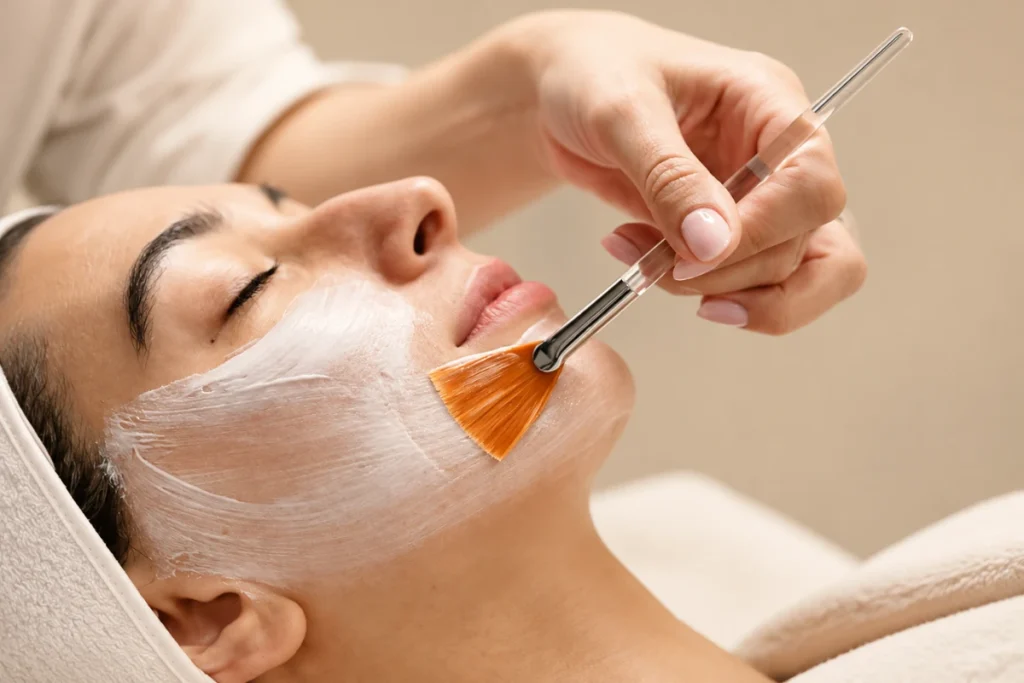
A chemical peel for acne scars uses specific chemical solutions to exfoliate damaged skin layers and stimulate skin renewal.
Different peels work at different depths.
Chemical peels may help with:
-
- uneven texture
-
- mild acne scarring
-
- post-acne pigmentation
-
- overall skin tone
For deeper scars, chemical peels alone may not be enough.
Certain scar types, particularly ice pick scars, may require more targeted approaches.
The type and strength of peel should be selected according to skin condition and individual risk factors, especially because some skin types have a higher tendency for pigmentation changes after inflammation.
5. Subcision for Rolling Acne Scars
Subcision is a procedure used particularly for rolling scars caused by fibrous bands pulling the skin downward.
During subcision, a specialised needle is used beneath the skin to release these attachments.
By freeing the skin from these tethering bands, the depressed area may become smoother.
Subcision is often combined with other procedures because acne scars can involve multiple changes at different skin levels.
6. Dermal Fillers for Certain Acne Scars
Some depressed scars may improve with dermal fillers.
Fillers can add volume beneath certain scars, helping raise depressed areas closer to the surrounding skin.
They may be considered for:
-
- selected rolling scars
-
- some boxcar scars
-
- individual depressed areas
Fillers do not remove the scar itself. Instead, they help improve the contour difference between the scar and surrounding skin.
Acne Scar Treatment Options: Which Treatment Is Right for Each Scar Type?
| Acne Scar Type | Possible Treatment Options |
| Ice pick scars | TCA CROSS, punch techniques, selected laser treatments |
| Boxcar scars | Microneedling, laser resurfacing, subcision, fillers |
| Rolling scars | Subcision, microneedling, laser treatments, combination therapy |
| Mild texture changes | Chemical peels, microneedling, resurfacing treatments |
| Raised scars | Steroid injections, silicone therapy, laser-based approaches |
This table provides general guidance only.
A specialist assessment is needed because many patients have more than one type of scar at the same time.
Why Combination Acne Scar Treatments Are Often Used
Acne scars are complex because they can involve:
-
- loss of collagen
-
- scar tissue pulling the skin downward
-
- uneven skin surface
-
- pigmentation changes
One procedure may improve one part of the problem but not another.
For example:
-
- Subcision may release tethered rolling scars.
-
- Microneedling may stimulate collagen production.
-
- Laser resurfacing may improve overall texture.
-
- Chemical peels may address surface irregularity and pigmentation.
A combination approach may therefore provide more comprehensive improvement than using only one procedure.
However, the treatment plan should be based on your skin assessment rather than following a standard combination for everyone.
Can Acne Scars Be Completely Removed?
Many patients ask how to completely remove acne scars.
The realistic answer is that acne scar treatments aim to significantly improve the appearance of scars, but complete removal cannot always be guaranteed.
The degree of improvement depends on:
-
- scar type
-
- scar depth
-
- skin characteristics
-
- treatment method
-
- number of sessions
-
- individual healing response
A realistic treatment goal is usually smoother texture, softer scar appearance and improved skin quality rather than promising completely scar-free skin.
What Factors Affect Acne Scar Treatment Results?
Several factors influence how your skin responds.
-
- Type of Scar: A treatment that works well for rolling scars may not be the best option for ice pick scars.
-
- Skin Type: Some skin types are more prone to post-treatment pigmentation changes, which affects treatment selection.
-
- Active Acne: If new acne continues to develop, treating active breakouts is usually important before or alongside scar treatments.
-
- Lifestyle and Skin Care: Sun protection and appropriate skincare can support healing and reduce the risk of pigmentation changes.
-
- Treatment Plan: Multiple sessions or combination treatments may be required depending on the severity of scarring.
What Should You Consider Before Acne Scar Treatment?
Before choosing an acne scar procedure, consider:
Have Your Acne Scars Been Properly Diagnosed?
Understanding whether you have ice pick, boxcar, rolling or raised scars is the first step.
Is Your Acne Still Active?
Active acne may need management to prevent new scars from forming.
What Improvement Is Realistic?
A consultation should include a discussion about expected improvement, number of sessions and limitations.
What Is Your Skin Type?
Treatment choice should consider your tendency towards pigmentation or sensitivity.
Are You Choosing a Procedure or a Plan?
The best outcomes often come from a structured treatment plan rather than choosing a single popular procedure.
Choosing the Right Acne Scar Treatment Starts With Your Scar Type
Understanding how to treat acne scars begins with recognising that every scar is different.
Ice pick scars, boxcar scars, rolling scars and raised scars all require different approaches. Treatments such as microneedling, laser resurfacing, chemical peels, subcision and fillers may each have a role depending on your skin concerns.
A qualified skin specialist can assess your scars, explain suitable acne scar treatment options, and create a plan based on your skin type, goals and expected outcomes.
If you are unsure which treatment may be suitable for your acne scars, speak with a qualified specialist at La Clinique for an individual skin assessment and guidance.